Unieke blogs
Welke catering trends zijn populair voor personeelsfeesten in 2026?
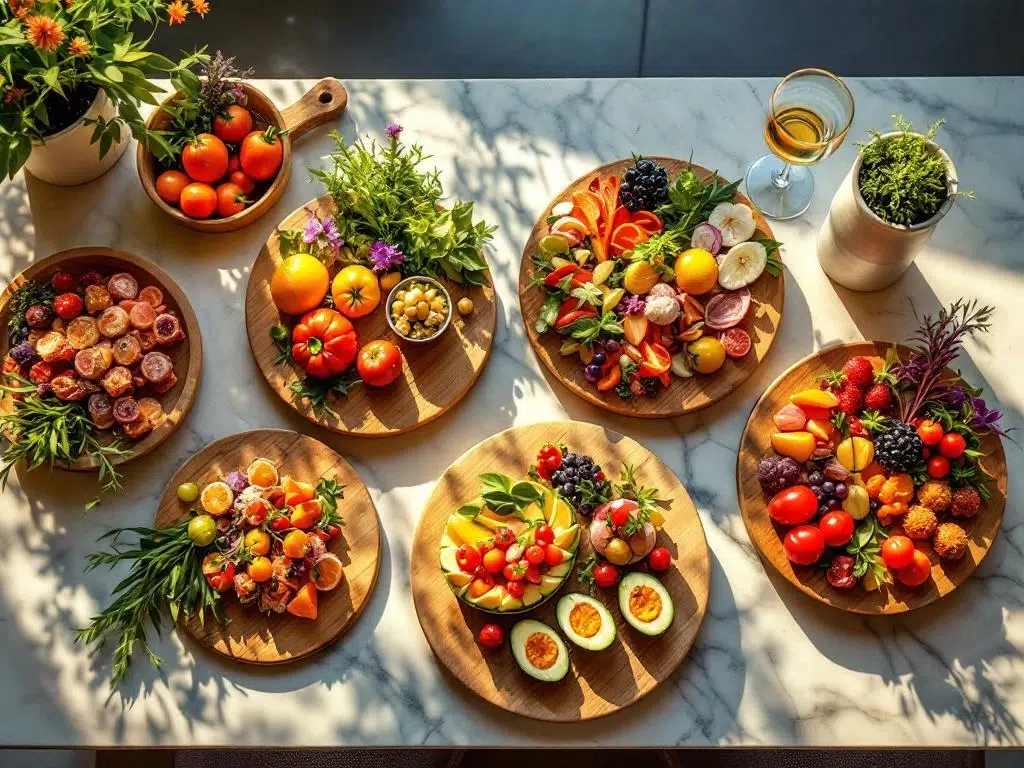
Catering trends voor personeelsfeesten in 2026 draaien om duurzaamheid, interactiviteit en inclusiviteit. Plantaardige menu’s, lokale producten en zero-waste concepten staan hoog op de lijst. Interactieve catering zoals live cooking stations en DIY-foodbars maken het evenement belevenisgerichter. Daarnaast zie je een groeiende vraag naar flexitarische opties, internationale cuisines en food stations die netwerken stimuleren. De catering wordt steeds vaker afgestemd op het thema van het feest, wat zorgt voor een coherente en memorabele ervaring.
Welke duurzame catering opties zijn trending voor personeelsfeesten?
Duurzame catering combineert plantaardige menu’s, lokale producten en zero-waste concepten. Bedrijven kiezen steeds vaker voor seizoensgebonden gerechten en composteerbaar serviesgoed. Dit sluit aan bij duurzaamheidsdoelen en wordt gewaardeerd door medewerkers die bewuste keuzes belangrijk vinden.
De shift naar plantaardige catering is geen hype meer, maar een blijvende trend. Denk aan creatieve vegetarische en veganistische gerechten die niet voelen als een compromis, maar als een bewuste keuze. Lokale leveranciers worden ingezet voor verse producten die minder transport nodig hebben, wat de CO2-voetafdruk verlaagt.
Zero-waste concepten gaan verder dan alleen het serviesgoed. Het betekent ook portionering op maat, hergebruik van decoratie-elementen en samenwerking met cateraars die voedselverspilling actief tegengaan. Medewerkers voelen zich betrokken bij een bedrijf dat deze waarden uitdraagt, wat bijdraagt aan een positieve bedrijfscultuur.
Praktisch gezien kun je denken aan seizoensgebonden menu’s die aansluiten bij wat er op dat moment beschikbaar is. Dat is niet alleen duurzamer, maar vaak ook smakelijker. Composteerbaar serviesgoed van bamboe of palmbladeren voelt kwalitatief en ziet er goed uit op foto’s.
Wat is interactieve catering en waarom kies je daar voor?
Interactieve catering maakt gasten onderdeel van de food experience. Live cooking stations, DIY-foodbars en chef’s tables zorgen voor betrokkenheid en gespreksstof. Het verhoogt de engagement en maakt je personeelsfeest memorabel door actieve deelname in plaats van passief consumeren.
Bij live cooking stations zie je de chef aan het werk. Dat kan een wokstation zijn, een pizzaoven of een grill waar vers wordt bereid. Gasten kunnen kiezen wat ze willen en kijken hoe het gemaakt wordt. Dat creëert een dynamische sfeer en geeft mensen iets om over te praten.
DIY-foodbars zijn perfect voor personeelsfeesten. Denk aan een taco-bar waar iedereen zijn eigen combinatie samenstelt, een poké bowl station met verschillende toppings, of een cocktailbar waar gasten hun eigen drankje mixen. Dit zorgt voor interactie tussen collega’s en breekt het ijs op een natuurlijke manier.
Chef’s tables brengen het naar een hoger niveau. Een kleine groep zit aan een tafel waar de chef persoonlijk gerechten bereidt en uitlegt. Dit werkt goed voor VIP-gasten of als onderdeel van een groter evenement. Het voegt een exclusief element toe en zorgt voor een ervaring die mensen onthouden.
Het voordeel van interactieve catering is dat het mensen activeert. In plaats van in de rij te staan voor een buffet, worden ze onderdeel van het evenement. Dat verhoogt de energie en maakt het feest levendiger.
Hoe zorg je dat je catering aansluit bij verschillende dieetwensen?
Accommodeer diverse voedingsbehoeften door flexitarische menu’s, allergeenvrije opties en cultureel inclusieve gerechten aan te bieden. Communiceer vooraf met gasten over hun wensen en werk samen met ervaren cateraars. Dit voorkomt dat mensen zich buitengesloten voelen en zorgt voor een inclusieve sfeer.
Begin met het verzamelen van dieetwensen via de uitnodiging. Vraag niet alleen naar allergieën, maar ook naar voorkeuren zoals vegetarisch, veganistisch, halal of kosher. Hoe meer je weet, hoe beter je kunt afstemmen.
Flexitarische menu’s zijn ideaal voor gemengde groepen. Dit zijn gerechten die standaard plantaardig zijn, maar waar je eventueel vlees of vis aan kunt toevoegen. Zo hoef je niet voor elke dieetwens een apart gerecht te maken, maar bied je wel keuze.
Allergeenvrije opties zijn belangrijk voor veiligheid. Werk met cateraars die ervaring hebben met het scheiden van allergenen en duidelijke labels gebruiken. Denk aan glutenvrij, notenvrij en lactosevrij. Zorg dat deze opties niet voelen als een afterthought, maar even lekker zijn als de rest.
Cultureel inclusieve gerechten laten zien dat je diversiteit waardeert. Bied internationale smaken aan die aansluiten bij de achtergrond van je team. Dit kan betekenen dat je halal opties hebt, vegetarische Indiase curry’s of Aziatische streetfood. Het gaat erom dat iedereen zich welkom voelt.
Communicatie met de caterer is belangrijk. Kies een partner die ervaring heeft met diverse menu’s en flexibel kan schakelen. Bespreek vooraf hoe allergenen worden behandeld en hoe gerechten worden gelabeld tijdens het evenement.
Welke internationale food concepten zijn populair op personeelsfeesten?
Trending internationale cuisines in 2026 zijn Aziatische streetfood, Midden-Oosterse mezze, Latin American flavors en Scandinavische concepten. Deze trends sluiten aan bij de wens voor avontuurlijk eten en nieuwe smaakervaringen. Ze brengen variatie en zorgen voor gespreksonderwerpen tijdens het feest.
Aziatische streetfood blijft populair. Denk aan bao buns, Vietnamese loempia’s, Thaise curries en Japanse gyoza. Deze gerechten zijn smaakrijk, visueel aantrekkelijk en makkelijk te eten tijdens een staand evenement. Ze voelen modern en passen bij de trend van casual dining.
Midden-Oosterse mezze biedt een rijke smaakpallet. Hummus, falafel, tabouleh en gegrilde halloumi zijn niet alleen lekker, maar ook grotendeels vegetarisch. Dit concept werkt goed als shared dining, waarbij mensen samen van verschillende schaaltjes eten.
Latin American flavors brengen energie. Ceviche, empanadas, tacos en churros zijn feestelijk en passen bij een informele sfeer. De kleuren en smaken zijn levendig, wat bijdraagt aan de algehele vibe van het evenement.
Scandinavische concepten staan voor eenvoud en kwaliteit. Denk aan gravadlax, open sandwiches met verse ingrediënten en minimalistische desserts. Dit past bij bedrijven die een moderne, strakke uitstraling willen en waarde hechten aan ambacht.
Fusion concepten combineren verschillende keukens. Koreaanse taco’s, Japanse pizza’s of Midden-Oosterse burgers. Dit soort creativiteit spreekt aan omdat het vertrouwd en verrassend tegelijk is. Het laat zien dat je durft te experimenteren en niet voor de standaard opties gaat.
Wat zijn de voordelen van food stations versus traditionele buffetten?
Food stations verbeteren de flow, verkorten wachttijden en creëren een dynamische sfeer. Ze werken beter voor netwerken dan traditionele buffetten omdat mensen zich verspreiden over verschillende stations. De presentatie is aantrekkelijker en hygiëne is eenvoudiger te beheren door personeel per station.
Bij een traditioneel buffet staan mensen in één rij te wachten. Dat kan leiden tot opstoppingen en lange wachttijden. Food stations verdelen de gasten over meerdere punten, wat de drukte spreidt en zorgt dat iedereen sneller aan de beurt is.
De presentatie bij food stations is levendiger. Elk station heeft zijn eigen thema en uitstraling. Een paststation met verse ingrediënten, een grillstation met rookontwikkeling, een dessertbar met kleurrijke toetjes. Dit zorgt voor visuele impact en maakt het evenement instagrambaar.
Hygiëne is beter te controleren. Bij elk station staat personeel dat de gerechten serveert en de boel schoon houdt. Bij een buffet pakken gasten zelf, wat kan leiden tot rommel en kruisbesmetting van allergenen. Met personeel bij de stations houd je meer controle.
Food stations stimuleren beweging en interactie. Mensen lopen rond, ontdekken verschillende stations en komen in gesprek met collega’s die ze anders misschien niet zouden spreken. Dit maakt het evenement levendiger en bevordert netwerken op een natuurlijke manier.
Voorbeelden van effectieve stations zijn een oesterbar met champagne, een ramenstation waar verse noedels worden bereid, een kaasplank met lokale producten, of een smoothiebar met superfoods. Elk station voegt een unieke ervaring toe aan het geheel.
Hoe kies je catering die past bij het thema van je personeelsfeest?
Stem je catering af op het evenementthema en de bedrijfscultuur door gerechten te kiezen die de sfeer versterken. Retro snacks passen bij een jaren ’80 feest, premium fingerfood bij een gala, en casual food trucks bij zomerfestivals. Een coherente experience waarbij eten en sfeer elkaar versterken maakt het evenement memorabel.
Begin met het thema van je evenement. Als je een jaren ’80 feest organiseert, denk dan aan retro snacks zoals mini-hamburgers, kaasstengels, cocktailworstjes en milkshakes. Dit roept nostalgie op en past bij de vibe die je wilt creëren.
Voor een gala of formeel evenement kies je premium fingerfood. Denk aan oesters, kaviaar, carpaccio en champagne. De catering moet de elegantie van het evenement weerspiegelen en gasten het gevoel geven dat ze ergens bijzonders zijn.
Zomerfestivals vragen om casual en toegankelijke catering. Food trucks met burgers, pizza’s of ijsjes passen perfect. Dit voelt relaxed en past bij de outdoor setting. Gasten kunnen rondlopen met hun eten en genieten van de zon.
Bij een tech event kun je kiezen voor futuristische presentaties. Moleculaire gastronomie, gerechten met stikstof of een robotbar die cocktails mixt. Dit laat zien dat je innovatief bent en past bij de sector.
De bedrijfscultuur speelt ook een rol. Een startup met een jonge cultuur kiest misschien voor streetfood en craft beer. Een advocatenkantoor gaat eerder voor klassieke catering met wijn. Het moet voelen als een natuurlijke uitbreiding van wie jullie als bedrijf zijn.
Praktisch gezien kun je met je caterer bespreken hoe de gerechten passen bij de locatie en het programma. Als er veel entertainment is, kies dan voor fingerfood dat makkelijk te eten is. Als er een sit-down dinner is, kun je kiezen voor een meergangenmenu dat de avond structuur geeft.
Hoe Dutch Standard Events helpt met catering voor personeelsfeesten
Bij Dutch Standard Events begrijpen we dat catering meer is dan alleen eten serveren – het is een essentieel onderdeel van de totale beleving van je personeelsfeest. We nemen je het complete cateringproces uit handen, van conceptontwikkeling tot uitvoering. Onze aanpak zorgt ervoor dat jouw evenement niet alleen goed smaakt, maar ook perfect aansluit bij de verwachtingen van je team.
Wat we voor je regelen:
- Selectie van de juiste cateringpartner uit ons netwerk van ervaren leveranciers die de nieuwste foodtrends 2026 beheersen
- Maatwerk menu’s die aansluiten bij je thema, bedrijfscultuur en alle dieetwensen van je gasten
- Complete logistieke coördinatie inclusief food stations, servies, personeel en timing
- Duurzame concepten met lokale leveranciers, seizoensproducten en zero-waste oplossingen
- Interactieve elementen zoals live cooking stations, DIY-bars en chef’s tables die je evenement onvergetelijk maken
We zorgen dat elk detail klopt, van allergeenbeheer tot de laatste garnering. Zo kun jij je focussen op je gasten, terwijl wij garanderen dat de catering vlekkeloos verloopt. Benieuwd wat we voor jouw personeelsfeest kunnen betekenen? Neem contact met ons op en we sparren graag over de mogelijkheden!
Conclusie
Catering trends 2026 draaien om duurzaamheid, interactiviteit en inclusiviteit. Van plantaardige menu’s tot internationale food concepten, de mogelijkheden zijn eindeloos. Het gaat erom dat je kiest wat past bij je team en je evenement. Food stations, thematische catering en aandacht voor dieetwensen maken het verschil tussen een standaard feest en een ervaring die blijft hangen. Voor meer informatie kun je altijd een kijkje nemen op onze FAQ pagina.
Veelgestelde vragen
Hoeveel duurder is duurzame catering vergeleken met traditionele catering?
Duurzame catering hoeft niet per se duurder te zijn. Seizoensgebonden en lokale producten zijn vaak goedkoper omdat er minder transport- en opslagkosten zijn. Plantaardige gerechten zijn meestal kostenefficiënter dan vlees of vis. De investering in composteerbaar serviesgoed wordt vaak gecompenseerd door lagere afvalverwerkingskosten en een positieve impact op je employer branding.
Hoe ver van tevoren moet ik de catering voor mijn personeelsfeest boeken?
Voor een standaard personeelsfeest adviseren we minimaal 6-8 weken van tevoren te boeken. Voor grotere evenementen met meer dan 100 gasten of tijdens drukke periodes (december, zomer) is 3-4 maanden vooruit beter. Populaire cateraars en speciale concepten zoals live cooking stations zijn vaak maanden van tevoren volgeboekt, dus hoe eerder je begint, hoe meer keuze je hebt.
Wat doe je als gasten tijdens het evenement alsnog allergieën of dieetwensen melden?
Zorg altijd voor een buffer door extra allergeenvrije en vegetarische opties te bestellen, meestal 10-15% meer dan aangegeven. Maak duidelijke afspraken met je caterer over hoe zij omgaan met last-minute verzoeken en zorg dat er iemand van het cateringteam is die direct kan adviseren over ingrediënten. Bewaar ook de ingrediëntenlijsten bij de hand voor noodgevallen.
Hoeveel food stations heb ik nodig voor een bepaald aantal gasten?
Als vuistregel geldt: één food station per 25-30 gasten om wachttijden te minimaliseren. Voor een groep van 100 mensen adviseren we minimaal 3-4 verschillende stations. Houd ook rekening met de doorlooptijd per station – complexe gerechten die langer duren om te bereiden hebben meer capaciteit nodig. Je caterer kan helpen met het berekenen van de optimale verhouding.
Kunnen food trucks ook binnen worden ingezet of zijn die alleen voor outdoor events?
Food trucks zijn primair bedoeld voor outdoor events vanwege ventilatie, ruimte en veiligheidsvoorschriften. Voor indoor evenementen kun je kiezen voor food truck-styled stations die dezelfde casual vibe geven maar geschikt zijn voor binnenlocaties. Sommige cateraars bieden mobiele keukens of compacte stations die het food truck concept nabootsen zonder de logistieke uitdagingen.
Hoe voorkom je voedselverspilling bij catering voor personeelsfeesten?
Werk met realistische aantallen op basis van ervaring van je caterer en vraag naar flexibele portiegroottes. Kies voor food stations waar op bestelling wordt bereid in plaats van vooraf klaargezette buffetten. Maak afspraken over wat er gebeurt met overgebleven eten – veel cateraars werken samen met voedselbanken of bieden take-away containers aan. Monitor tijdens het evenement wat populair is en communiceer dit met de caterer voor bijsturing.
Wat zijn de belangrijkste vragen om aan een caterer te stellen tijdens de offerte fase?
Vraag naar hun ervaring met diverse dieetwensen en hoe zij allergenen scheiden. Informeer naar flexibiliteit in aantallen (tot hoeveel dagen van tevoren kun je wijzigen?), wat er inbegrepen is (personeel, servies, opbouw/afbouw), en of ze referenties hebben van vergelijkbare evenementen. Bespreek ook hun noodplan bij calamiteiten en hoe ze omgaan met sustainability. Vraag altijd om een proeverij te organiseren voordat je definitief boekt.
Gerelateerde artikelen
- Wat kost een business event per persoon gemiddeld?
- Hoe meet je het succes van een netwerk evenement?
- Welke rol speelt een evenementenbureau bij het organiseren van een netwerk evenement?
- Hoe organiseer je een succesvol oktoberfest voor personeel
- Hoe voorkom je juridische problemen tijdens personeelsfeesten?
Bardo
Eigenaar
-
Persoonlijk contact
-
Senior event manager
-
20 jaar ervaring
 Mandy van Dasler32 days ago
Trustindex verifieert dat de oorspronkelijke bron van de recensie Google is.
Samenwerken met DSE voelt als een verlengstuk van je eigen team. Voor een belangrijke mijlpaalviering van ons bedrijf begrepen ze na slechts één briefing al wie we waren en wat we nodig hadden. In tegenstelling tot veel bureaus die een 'groot idee' presenteren dat uiteindelijk vrij standaard aanvoelt, denkt DSE echt met je mee. Ze vertalen je doelstellingen naar creatieve, originele concepten die passen bij je organisatie en je evenement naar een hoger niveau tillen. Hun vermogen om creativiteit te combineren met een vlekkeloze uitvoering bespaarde ons aanzienlijk veel tijd en moeite, terwijl ze tegelijkertijd een uniek en authentiek evenement leverden. We zullen zeker met DSE blijven samenwerken en bevelen hen van harte aan bij iedereen die op zoek is naar een proactieve, creatieve en betrouwbare evenementenpartner.
(Vertaald door Google, zie origineel)Geplaatst op Google
 Sanne Hak32 days agoWij kijken met veel plezier terug op de samenwerking met Dutch Standard Events bij de organisatie van ons personeelsfeest. Het was een groot succes en dat is mede te danken aan hun betrokkenheid, professionaliteit en flexibiliteit. In de aanloop naar het event was de samenwerking erg prettig en duidelijk. De lijnen waren kort, er werd goed geluisterd naar onze specifieke wensen en er was altijd ruimte om mee te denken. Vlak voor het evenement kregen we te maken met flinke uitdagingen door code rood en de hittegolf in Nederland. Ook daar wist Dutch Standard Events heel hands-on mee om te gaan. Ze schakelden snel, kwamen direct met passende oplossingen en zorgden ervoor dat we ons geen onnodige zorgen hoefden te maken. We zijn dan ook ontzettend tevreden over de samenwerking en het eindresultaat. Een professionele en betrokken partner die echt met je meedenkt en ook onder uitdagende omstandigheden het hoofd koel houdt. Absoluut een aanrader! Manager Client Events - De Brauw BlackstoneGeplaatst op Google
 Meinders Catering95 days agoVoor ons 35-jarig jubileum wilden wij een feest organiseren dat aansloot bij wie wij zijn als bedrijf. Een jaar lang hebben we samen met Dutch Standard Events naar dit moment toegewerkt en vanaf het eerste gesprek was de klik en vertrouwen er meteen. Gedurende het hele traject werd er niet alleen goed geluisterd naar onze wensen, maar kregen we ook deskundig advies op de punten waar wij zelf minder ervaring mee hadden. Dutch Standard Events dacht actief en creatief met ons mee, stuurde waar nodig bij en de communicatie was altijd duidelijk en snel. De volledige ontzorging gaf ons de rust om echt naar het evenement toe te leven. Eind mei was het dan zover: ons jubileumfeest bij Strandzuid. Het resultaat was een geweldig aangekleed evenement, helemaal in onze eigen kleuren en branding. Alles klopte en straalde daadwerkelijk uit waar wij als bedrijf voor staan. We krijgen nog steeds complimenten van alle genodigden. De dag zelf begon op een zomerse dag met een flinke regenbui, wat uiteindelijk juist voor de nodige verkoeling zorgde. Hoewel het weer even onzeker leek, hadden wij alle vertrouwen in de expertise van Dutch Standard Events. Dat vertrouwen werd volledig waargemaakt; alles verliep soepel en professioneel. Wij hebben samen met collega's, klanten en relaties enorm genoten van een onvergetelijke viering van ons 35-jarig bestaan. Wij kijken met veel plezier terug op de samenwerking en raden Dutch Standard Events van harte aan aan iedereen die op zoek is naar een professioneel, betrokken en creatief evenementenbureau voor een groot event.Geplaatst op Google
 Eva188 days agoDutch Standard Events heeft een fantastisch feest voor ons georganiseerd. In de periode naar het feest toe bewogen ze goed mee met onze wensen en kwamen met goede ideeën en aanvullingen. Het feest zelf heeft onze verwachtingen overtroffen!Geplaatst op Google
 niels riezebos188 days agoDSE heeft een knaller van een feest neergezet voor GVB. Fijne samenwerking gehad met het team en is zeker aan aan te raden!Geplaatst op Google
 Ilse Plantenga189 days agoSamen met Dutch Standard Events hebben we een fantastisch tweedaags bedrijfsfeest neergezet. Alles was tot in detail geregeld en de samenwerking verliep heel prettig. Een feest waar intern nog lang over gesproken wordt.Geplaatst op Google
 Domenique X194 days agoNamens CTP kijken wij terug op een indrukwekkend event tijdens SAIL 2025, alle credits naar Bardo en zijn team. Op onze flagship CTPark Amsterdam City hebben jullie laten zien wat er mogelijk is. Wij hebben het uitzicht, jullie hebben de rest gebracht. Wat begon als “iets met SAIL” is vertaald naar een bijzonder en stijlvol relatie event. Een ogenschijnlijk kale kade werd omgetoverd tot een warme setting met direct zicht op de spectaculaire SAIL In Parade. Alles klopte, van sfeer en inrichting tot logistiek en gastbeleving. De organisatie was strak en professioneel en tegelijkertijd zeer prettig in de samenwerking. Er werd echt meegedacht, snel geschakeld en volledig ontzorgd. De ervaring en creativiteit waren in alles merkbaar. De reacties van onze gasten waren unaniem enthousiast en dat zegt alles. Absoluut een partij die wij aanraden als je een event wilt neerzetten dat zowel inhoudelijk sterk als onvergetelijk is.Geplaatst op Google
 hugo smits419 days agoWe schreven een pitch voor een teamdag. We zochten een dag met teambuildingactiviteit, feest in de avond, accommodatie en logistiek voor ongeveer 250 personen. Dutch Standard Events presenteerde een heel mooi en compleet programma. We waren overdonderd. Ze begrepen precies wat er nodig was. Bardo en het team zijn prettig om mee samen te werken, wat resulteerde in een geweldige dag en avond waar iedereen zich verbonden voelde. Ik kan Dutch Standard Events iedereen aanbevelen 😊
(Vertaald door Google, zie origineel)Geplaatst op Google Kathy van der Wijden494 days agoEvenementenbureau Dutch Standard Events heeft ons vanaf de eerste pitch volledig begrepen en ontzorgd. We waren op zoek naar een partner die ons kon helpen bij het organiseren van een gezellig, maar ook informatief event. Waarbij de bezoekers niet alleen plezier hebben, maar ook iets opsteken van een nieuw loyaltyprogramma dat werd gelanceerd. Bardo, Chiara en het team zijn hele fijne mensen om mee samen te werken en dat moet ook wel als je (in ons geval) bijna 1 jaar met elkaar optrekt. Ze zijn creatief, oplossingsgericht, goed bereikbaar en denken echt met je mee. Het resultaat? Een fantastische dag waar meer dan 450 collega’s uit het hele land samenkwamen en ook nog eens iets leerde, zonder dat het zo voelde. Het was een feestje om met jullie te werken. Ik zou willen zeggen tegen andere bedrijven: Let’s go to Dutch Standard 🤩Geplaatst op Google
 Victor Garcia Parra559 days agoWe hebben een geweldige ervaring gehad met Dutch Standard Events, het beste Amsterdamse evenementenbureau dat we hadden kunnen kiezen voor onze jubileumconferentie. Van begin tot eind was de verhouding personeel-gasten optimaal en het team behandelde elk detail met professionaliteit en creativiteit, waardoor ons bedrijfsevenement soepel verliep. Ze brachten de formele aspecten van de conferentie perfect in evenwicht met een levendig en boeiend feestelijk evenement in de avond, terwijl ze tegemoetkwamen aan onze speciale verzoeken. Het hele team deed er alles aan om een onvergetelijke bedrijfsconferentie en feest te creëren waar onze gasten van over de hele wereld nog steeds over praten. We raden ze ten zeerste aan voor elke zakelijke of feestelijke gelegenheid!
(Vertaald door Google, zie origineel)Geplaatst op Google