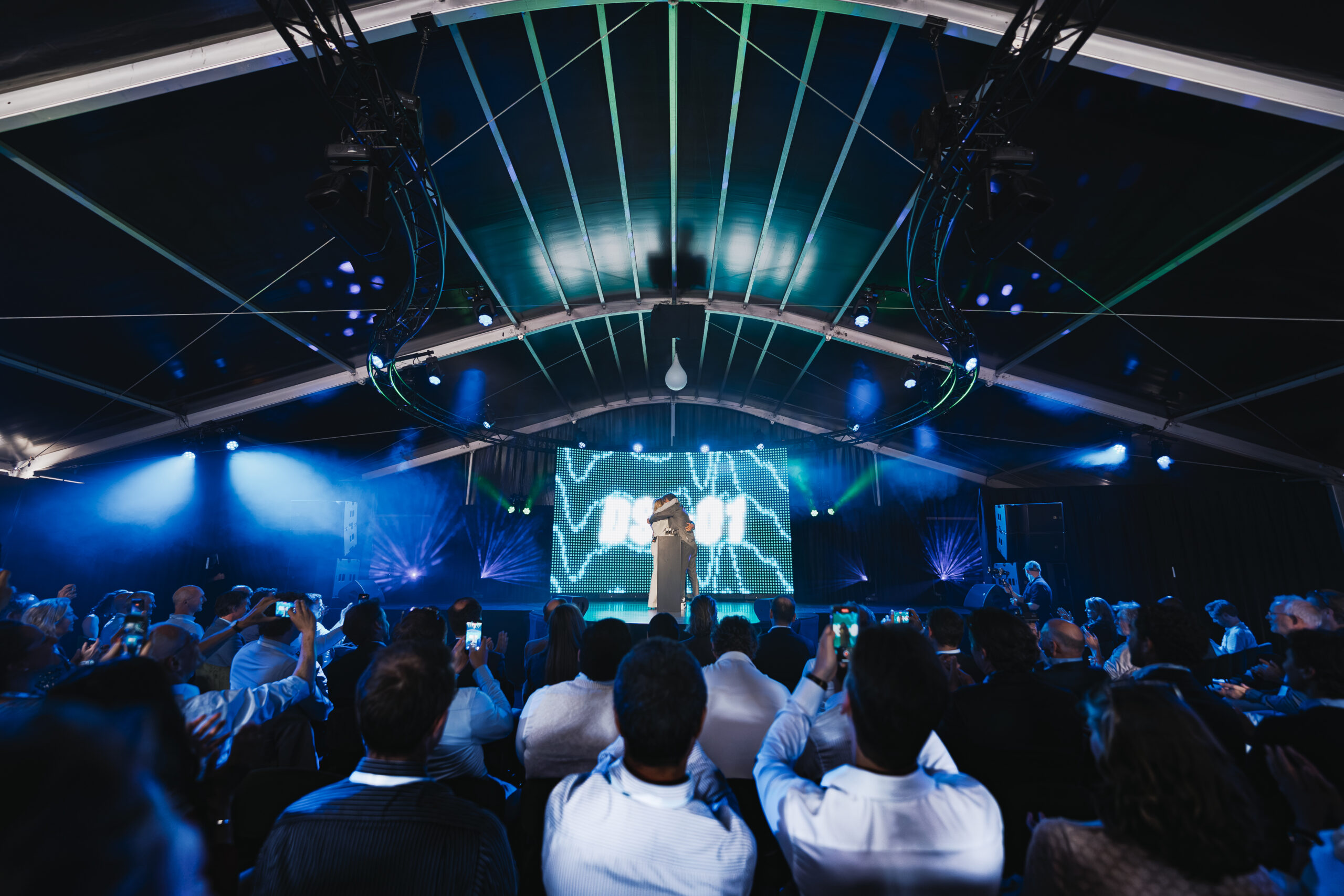
Unique blog posts
What are the trends in business events for 2026?
The trends in business events for 2026 revolve around three major themes: hybrid experiences, technological integration, and sustainability. Business events are no longer just informational gatherings, but full-fledged experiences that engage, connect, and inspire participants. From AI-driven personalization to measurable impact: anyone organizing a business event in 2026 is operating in a completely different landscape than just a few years ago. Below, we dive into the most relevant questions on the minds of everyone thinking about organizing business events this year.
Which formats will dominate business events in 2026?
In 2026, hybrid formats, compact deep-dive sessions, and community-driven events will dominate the business events scene. The traditional conference with endless keynote speeches is increasingly giving way to interactive formats in which participants actively engage rather than passively listen. Organizers of business events are consciously choosing formats that energize rather than drain energy.
The most popular formats right now are:
- Hybrid events: a live core with a digital extension, allowing participants from anywhere in the world to join in without losing the atmosphere.
- Micro-events and satellite sessions: smaller, thematic gatherings that delve deeper into a single specific topic, ideal for niche communities and expert groups.
- Participatory formats: workshops, hackathons, roundtables, and world cafés where participants help set the agenda themselves.
- Festival-style business events: a festival atmosphere helps participants feel more relaxed and playful, which fosters connection and creativity.
- Immersive experiences: events where the physical space itself tells a story, ranging from interactive installations to fully branded environments.
The common thread? Participants are no longer just an audience—they’re co-players. A format that allows for co-creation and genuine connection always beats one where people just stare at a screen for two hours. Formats that generate energy, spark conversations, and leave people with something they’ll still be talking about the next day—that will be the standard in 2026.
How is technology changing the experience at business events?
Technology will transform the business event experience in 2026 from a passive one to an active, personalized one. AI, data, and smart event apps make it possible to tailor every aspect of an event to the individual participant, from the agenda to networking matches. Technology is no longer a nice-to-have but an indispensable part of every well-organized business event.
AI and Personalization
Artificial intelligence is playing an increasingly important role in personalizing the event experience. Smart platforms analyze attendees’ interests and backgrounds and automatically suggest relevant sessions, speakers, and contacts. This greatly increases the event’s relevance for each individual attendee. No more generic agendas—just a program that feels like it was put together just for you.
Event tech and interactive tools
Live polling, real-time Q&A, digital whiteboards, and gamification elements make sessions more interactive than ever. Participants can respond, vote, and contribute immediately, which significantly increases engagement. Augmented reality and immersive technology are also becoming increasingly accessible, offering organizers the opportunity to create impressive, immersive moments that leave a lasting impression. Technology as an experience, not just a tool: that’s the mindset that will make all the difference in 2026.
What will business attendees expect from an event in 2026?
In 2026, business attendees will expect more than ever that an event is worth their time. They want relevant content, genuine connection, a comfortable experience, and a clear reason to attend. The bar is set high: attendees consciously or unconsciously compare business events to the best consumer experiences they know.
Specifically, participants expect the following from a well-organized business event:
- Relevant, tailored content: not generic stories, but insights that can be directly applied in their own practice.
- Meaningful networking opportunities: not just exchanging business cards, but genuine conversations with the right people.
- Comfort and logistical flexibility: from seamless registration to excellent catering and a pleasant venue—every detail counts.
- Emotional impact: Participants want to feel something—inspiration, pride, energy, connection. An event that merely informs is a missed opportunity.
- Flexibility: the ability to choose sessions that fit their own schedule and interests, without feeling like they’re missing out on anything.
There’s a reason we call guests “participants.” They contribute. And as an organizer, it’s your job to make sure they actually have something to share: knowledge, connections, and an experience they’ll remember.
Why will sustainability be a central focus of corporate events in 2026?
Sustainability will be central to corporate events in 2026 because both organizations and participants expect business gatherings to make conscious choices regarding their environmental and social impact. It is no longer a trend; it is a basic expectation. Any organization that hosts a business event without considering sustainability is falling behind the times and risks reputational damage.
Sustainability is a broad concept, and when it comes to events, it means using everything you employ in a conscious manner. In practice, this translates to:
- Venue selection: Choose venues that are easily accessible by public transportation and that implement their own sustainability initiatives.
- Catering: Plant-based and locally sourced options, reduced food waste, and reusable tableware instead of disposable items.
- Use of materials: Avoid an excess of printed materials and disposable promotional items, opting instead for smart digital alternatives and reusable materials.
- Carbon footprint awareness: understanding the event’s carbon footprint and taking active steps to reduce it, from travel advice for participants to carbon offset measures.
- Social sustainability: Inclusivity, accessibility, and diversity as integral parts of event planning.
The great thing is: sustainable choices often enhance the experience as well. Less clutter, better catering, a venue with character. Good for the planet—and good for the atmosphere. Challenge accepted!
How will organizations measure the success of a business event in 2026?
In 2026, organizations will measure the success of a business event based on a combination of quantitative data and qualitative feedback, with the focus shifting from attendance numbers to actual impact. It’s no longer just about how many people attended, but about what the event delivered for the participants and the organization.
The most commonly used measurement methods and KPIs are:
- Net Promoter Score (NPS): How likely are participants to recommend the event to colleagues or business contacts? A strong NPS is a direct indicator of participant satisfaction.
- Engagement metrics: How many participants actively took part in sessions, polls, networking opportunities, and interactive activities?
- Knowledge retention: Have participants actually learned anything? Post-event surveys and follow-up assessments provide insight into this.
- Business results: Think of new leads, partnerships that emerged from the event, or specific follow-up actions that participants have taken.
- Social media and earned media: How much was shared, discussed, and written about the event, both during and after it took place?
- Return on Objective (ROO): To what extent were the event’s original objectives achieved? This is the most strategic metric.
By the way, measurement begins even before the event. If you’ve clearly defined your objectives, you’ll know exactly afterward whether the event was a success. No vague success stories, but concrete insights that help you make every subsequent event even better.
How Dutch Standard Events helps you organize your business event
All these trends sound great, but how do you ensure that your business event actually lives up to all those ambitions? That’s exactly where Dutch Standard Events comes in. We combine creative concepts with seamless execution, so that your event isn’t just impressive on paper, but also makes an impact in real life.
What we do for you:
- Strategic concept development tailored to your objectives and target audience
- Selection of the right format, from hybrid events to immersive experiences
- Integration of the latest event technology for a personalized attendee experience
- Sustainable event planning where every choice is deliberate and well-considered
- Complete end-to-end support, from venue scouting to post-event follow-up and evaluation
- Measurable results thanks to clear KPIs and post-event reporting
Leave that to us. Want to brainstorm with us about your next business event? Get in touch—we’d love to help!
Frequently Asked Questions
Wat is een realistisch budget voor het organiseren van een business event in 2026?
Een realistisch budget hangt sterk af van de schaal, het format en de ambities van je event, maar reken bij een hybride zakelijk event voor 100-300 deelnemers al snel op een investering tussen de €15.000 en €80.000. De grootste kostenposten zijn doorgaans locatie, technologie (eventtech en streamingoplossingen), catering en sprekers. Een slimme tip: begin met je doelstellingen en werk van daaruit terug naar het budget, zodat elke euro direct bijdraagt aan de gewenste impact.
Hoe ver van tevoren moet ik beginnen met het plannen van een zakelijk event?
Voor een middelgroot business event (100+ deelnemers) is een doorlooptijd van minimaal vier tot zes maanden sterk aan te raden. Grotere of complexere events — zoals hybride formats met geavanceerde technologie of internationale sprekers — vragen idealiter acht tot twaalf maanden voorbereidingstijd. Begin in ieder geval vroeg met het vastleggen van de locatie en eventuele externe sprekers, want die zijn in 2026 vaak ver vooruit volgeboekt.
Hoe zorg ik ervoor dat online deelnemers bij een hybride event net zo betrokken zijn als de fysieke aanwezigen?
De grootste valkuil bij hybride events is dat de online deelnemers worden behandeld als een passief publiek dat meekijkt, in plaats van als volwaardige deelnemers. Zorg voor een dedicated host of moderator die specifiek de online community begeleidt, gebruik interactieve tools zoals live polls, digitale Qu0026A en breakout rooms, en ontwerp het programma bewust voor twee doelgroepen tegelijk. Een goede hybride beleving vraagt om twee aparte producties die naadloos op elkaar aansluiten.
Welke veelgemaakte fouten moet ik vermijden bij het organiseren van een business event?
De meest voorkomende fouten zijn: te laat beginnen met plannen, het onderschatten van de logistieke complexiteit, te weinig aandacht voor de deelnemersbeleving buiten de sessies om (denk aan pauzes, catering en routing), en het ontbreken van duidelijke doelstellingen vooraf. Een andere klassieke misser is investeren in indrukwekkende technologie zonder na te denken over hoe die technologie daadwerkelijk bijdraagt aan de beleving of het doel van het event.
Hoe kies ik het juiste eventformat voor mijn specifieke doelstelling?
Het format moet altijd voortvloeien uit je doelstelling, niet andersom. Wil je kennisdeling stimuleren? Kies dan voor een deep-dive sessie of workshop. Staat netwerken centraal? Dan werkt een roundtable of world café beter dan een klassiek congres. Wil je een groot publiek bereiken én diepgang bieden? Dan is een hybride format met satellietsessies een logische keuze. Breng eerst scherp in kaart wat je wilt bereiken en voor wie, en laat het format daar op volgen.
Zijn er specifieke certificeringen of keurmerken voor duurzame events waar ik rekening mee moet houden?
Ja, er zijn meerdere relevante standaarden en keurmerken voor duurzame events, waaronder de ISO 20121-certificering voor duurzaam eventmanagement en het Nederlandse keurmerk van Green Key voor duurzame locaties. Daarnaast biedt de MVO Nederland-richtlijn handvatten voor sociaal verantwoord ondernemen bij events. Het werken met gecertificeerde leveranciers en locaties maakt het bovendien makkelijker om je duurzaamheidsclaims te onderbouwen richting stakeholders en deelnemers.
Hoe betrek ik mijn interne stakeholders bij de planning van een corporate event?
Begin vroeg met het ophalen van input en draagvlak bij de belangrijkste interne stakeholders, zoals management, marketing en HR, door middel van een korte briefingsessie of een gedeeld doelstellingendocument. Stel één centrale contactpersoon aan als intern aanspreekpunt om besluitvorming te stroomlijnen en zorg voor heldere communicatie over mijlpalen en keuzemomenten. Hoe meer eigenaarschap stakeholders voelen in de planningsfase, hoe groter de interne betrokkenheid én het enthousiasme op de dag zelf.

Bardo
Eigenaar

 Trustindex verifieert dat de oorspronkelijke bron van de recensie Google is.
(Vertaald door Google, zie origineel)

 Trustindex verifieert dat de oorspronkelijke bron van de recensie Google is.
 Trustindex verifieert dat de oorspronkelijke bron van de recensie Google is.
 Trustindex verifieert dat de oorspronkelijke bron van de recensie Google is.
 Trustindex verifieert dat de oorspronkelijke bron van de recensie Google is.
 Trustindex verifieert dat de oorspronkelijke bron van de recensie Google is.
 Trustindex verifieert dat de oorspronkelijke bron van de recensie Google is.
 Trustindex verifieert dat de oorspronkelijke bron van de recensie Google is.
(Vertaald door Google, zie origineel)
 Trustindex verifieert dat de oorspronkelijke bron van de recensie Google is.
 Trustindex verifieert dat de oorspronkelijke bron van de recensie Google is.
(Vertaald door Google, zie origineel)
read more?

Unique blog posts
What are the trends in business events for 2026?
The trends in business events for 2026 revolve around three major themes: hybrid experiences, technological integration, and sustainability. Business events...
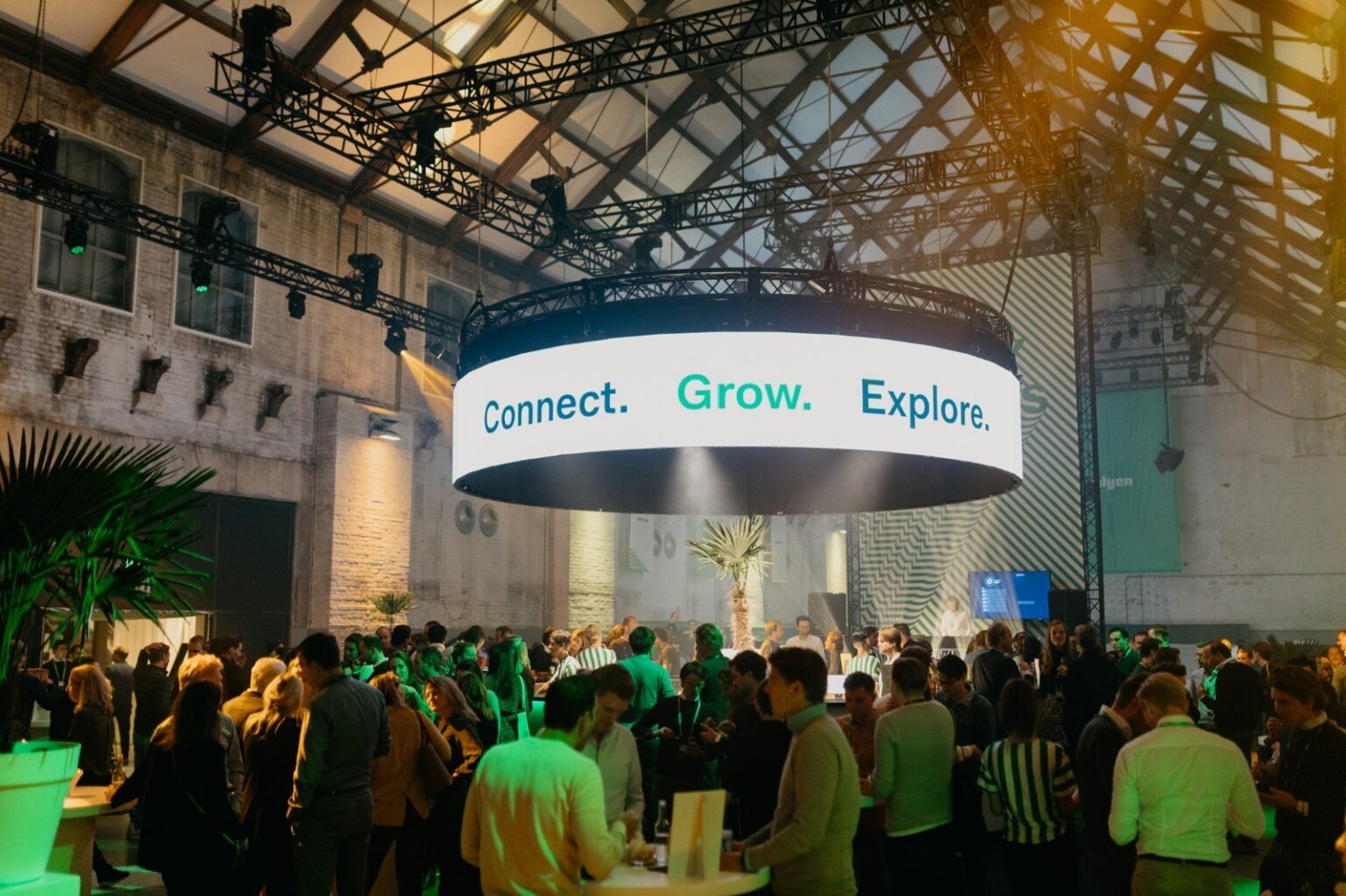
Unique blog posts
What are the trends in corporate event organization 2026?
The corporate event organization of 2026 is driven by technological innovation, hybrid formats and personalization. Key trends include AI integration,...