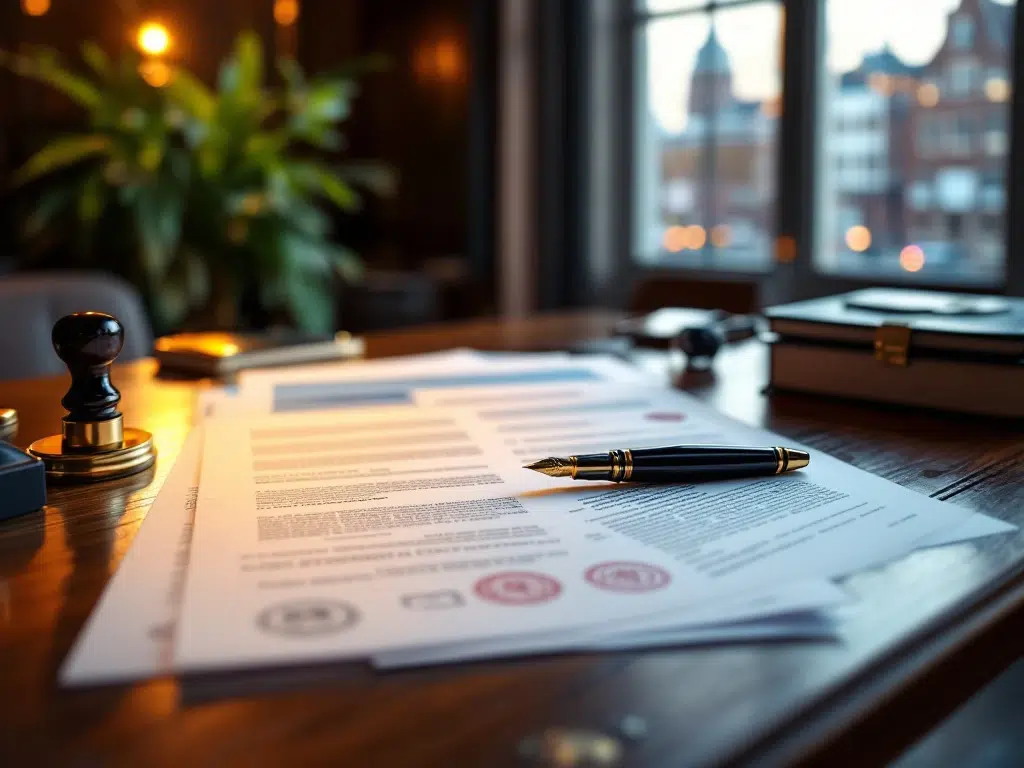
For any corporate event, you need several permits, depending on the size, location and nature of your event. Basic permits include an event permit, safety permit and noise permit. In addition, you may need a hospitality permit if you are serving food and drinks. Start applying at least 8-12 weeks in advance to avoid delays. This article answers all questions about permits for your corporate event organization.
What basic permits do you always need for corporate events?
For almost all corporate events, you need a general event permit from the municipality where your event is taking place. This permit is required as soon as you expect more than 25 guests or use public space. In addition, a safety permit and noise permit are standard requirements.
The general event permit regulates the basics of your event. In it, you specify what kind of gathering you are organizing, how many people you expect and what facilities you will use. This permit ensures that the municipality knows an event is taking place and can verify that everything is safe.
A safety permit is always required, regardless of the size of your corporate event. In it you describe how you will ensure safe entrances and exits, what you will do in case of emergencies and how you will arrange first aid. For smaller meetings in hotels or event venues, this is often a formality, but it is still required.
The noise permit determines when and how loudly you can play music. You often need this for indoor events as well, especially if you are hiring live music or a DJ. The municipality sets noise standards that you must meet to prevent nuisance to local residents.
When do you need a hospitality license during your corporate event?
You need a hospitality license as soon as you serve alcoholic beverages during your corporate event. No special permit is required for just coffee, tea and soft drinks. It does not matter whether you serve yourself or hire a caterer – the responsibility lies with the event organizer.
The difference between catering and hospitality operations is in the way you serve drinks. Catering means that everything is pre-arranged and included in the package. Catering operations mean that guests can order and pay for drinks themselves, such as with an open bar or consumption cards.
For corporate events such as company parties, product launches or networking events, it is best to arrange this through your venue. Hotels and event venues usually already have a catering license. Then you don’t have to apply for a separate permit yourself. Always check this when booking your venue.
Note that you must also consider times when you may serve alcohol. Most municipalities have rules about when the tap must close. For corporate events on weekdays, this is usually not a problem, but for Friday afternoon drinks or weekend events, this may be relevant.
How long does it take to apply for event permits?
Applying for event permits takes 6-8 weeks on average, but this can increase to 12 weeks for complex events or during busy periods. The processing time depends on the municipality, the type of event and the completeness of your application. Therefore, always start your application process well in advance.
Several factors influence how long it takes. Large municipalities such as Amsterdam or Rotterdam often have more applications and therefore longer waiting times. Smaller municipalities can move faster, but sometimes have limited capacity. The season also matters – in the summer there are more events and thus more crowded permit issuance.
The completeness of your application is crucial for quick processing. If your documents are missing or unclear, the processing stops and the deadline starts again. Therefore, make sure you provide all the necessary information at once: floor plans, security plan, supplier contact information and a clear description of your event.
Plan your permit process smartly. Start the application as soon as your date and location are fixed. Take into account any objection periods from local residents and city council meetings that may delay your application. For corporate events during the popular months of September through December, it is wise to start applying as early as summer.
What does it cost to arrange all the necessary permits?
Event permit fees range between €200 and €1,500 for an average corporate event, depending on the municipality and size of your event. Small gatherings of up to 100 people typically cost €200-500, while large corporate events of 500+ guests can cost €1,500 or more.
Several factors affect the price of your permits. Location plays a big role – Amsterdam and other large cities charge higher fees than smaller municipalities. The size of your event also matters: more guests means more control and thus higher costs. The type of event also matters – a business meeting usually costs less than a festival or public event.
In addition to the basic permit, there are often additional costs. These include fees for safety and noise permits, costs for police deployment for large events, and possible additional security requirements. Hiring an external security consultant or having drawings made by an architect may also be necessary.
Budget for permit fees about 2-5% of your total event budget. So for a €20,000 corporate event, count on €400-1,000 in permit costs. Also take into account possible modifications required by the municipality – additional exits, different catering set-up or additional safety measures may incur additional costs.
What permits are different for outdoor events versus indoor events?
Outdoor events require additional permits for use of public space, temporary construction and often parking arrangements. Indoor events in existing venues usually require fewer permits because hotels and event venues already have basic permits.
For outdoor corporate events in parks or squares, you always need a public space use permit. This regulates not only the use of the land, but also aspects such as accessibility for emergency services, waste disposal and restoration of the venue after the event. You often also have to pay a deposit for any damage to the site.
Temporary construction is an important difference between indoor and outdoor. For tents, stages or other structures, you need a building permit. This must be applied for with technical drawings and calculations from a structural engineer. Installing toilet units, power and water connections also often requires separate permits.
Weather conditions and seasons affect your permit requirements. In winter, there are more stringent requirements for heating and wind resistance of structures. You must also consider early dusk and extra lighting. For summer events, on the other hand, there are requirements around fire safety in drought conditions and extra provisions for heat and sun.
Parking arrangements are often more complex for outdoor events. You must demonstrate that there is adequate parking or provide alternative transportation options. Sometimes a traffic control plan is necessary, especially if your event affects the flow of traffic in the area.
How do you avoid having your event shut down due to missing permits?
Avoid shutdowns by completing a complete permit checklist and having all documents in order at least 10 weeks before your event. Have back-up plans and keep in touch with the municipality during the application process. A missed permit can jeopardize your entire corporate event.
Make a practical checklist of all the permits you need. Start with the basic permits: event permit, safety and noise. Then add permits specific to your situation: hospitality, temporary construction, use of public space or parking regulations. Check off this list with your municipality – they can tell you if you’ve forgotten anything.
Make sure all documents are complete and correct before submitting. Incomplete applications will lead to delays and possible rejection. Have your floor plans, safety plan, contact information for all vendors and a clear description of your program ready. Have important documents such as safety plans reviewed by an expert.
Develop contingency plans for different scenarios. What do you do if a permit is rejected? Do you have an alternative venue or modified program ready? Also, have direct contact information for your municipal contact person and keep them handy during your event. Sometimes minor on-site adjustments can still prevent problems.
A week before your event, double check that all permits are in and valid for the correct date. Print out all documents and bring them with you to your event. Train your team on what to do if unexpected problems do arise with permits or inspections during the event.
How Dutch Standard Events helps with permits for corporate events
The permit process for corporate events can be complex and time-consuming. Dutch Standard Events takes this complete process off your hands, so you can focus on the content of your event. We ensure that all permits are applied for and approved correctly and on time.
Our concrete approach includes:
- Complete permit analysis – We assess which permits your specific event needs
- Application management – We handle all applications, documents and communication with municipalities
- Time monitoring – We start the process at the right time (10-12 weeks in advance) to avoid delays
- Safety plans – Professional safety and emergency plans that meet all requirements
- Site expertise – We work with sites that already have the proper permits in place
- Backup scenarios – In case unexpected complications arise
Want to host a worry-free corporate event without worrying about permits? Contact us for a free consultation about your event. Also check out our full range of services or find answers to more questions in our FAQ section.